
Experts on the Case
by KISA
Gather your friends, work through the evidence and crack the case — as one team, or racing several others.
Evidence. Documents. Interrogations. Contradictions.
And only one version explains everything.
🌐 Everyone reads the case in their own language — even players on the same team. Today: Russian and English.
From 2 to 300+ players: 2–8 people make one team; beyond that, several teams investigate the same case at once and compete.
Straight to the cases ↓
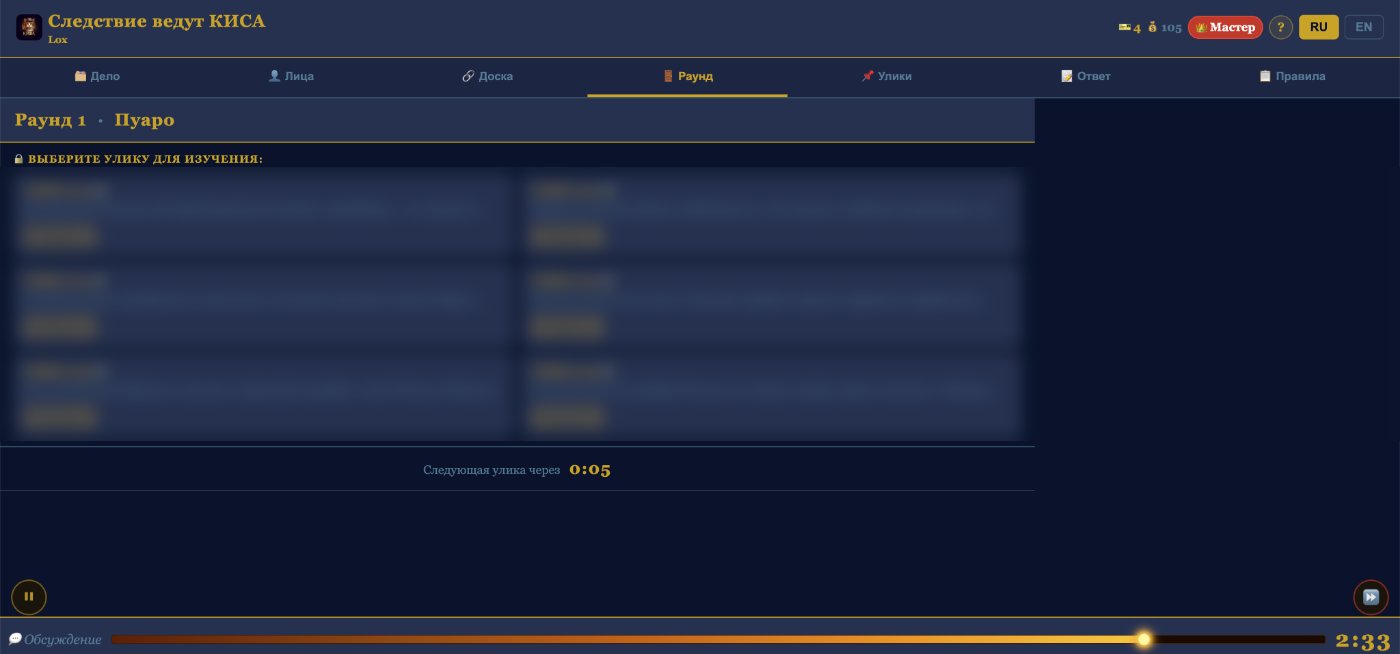
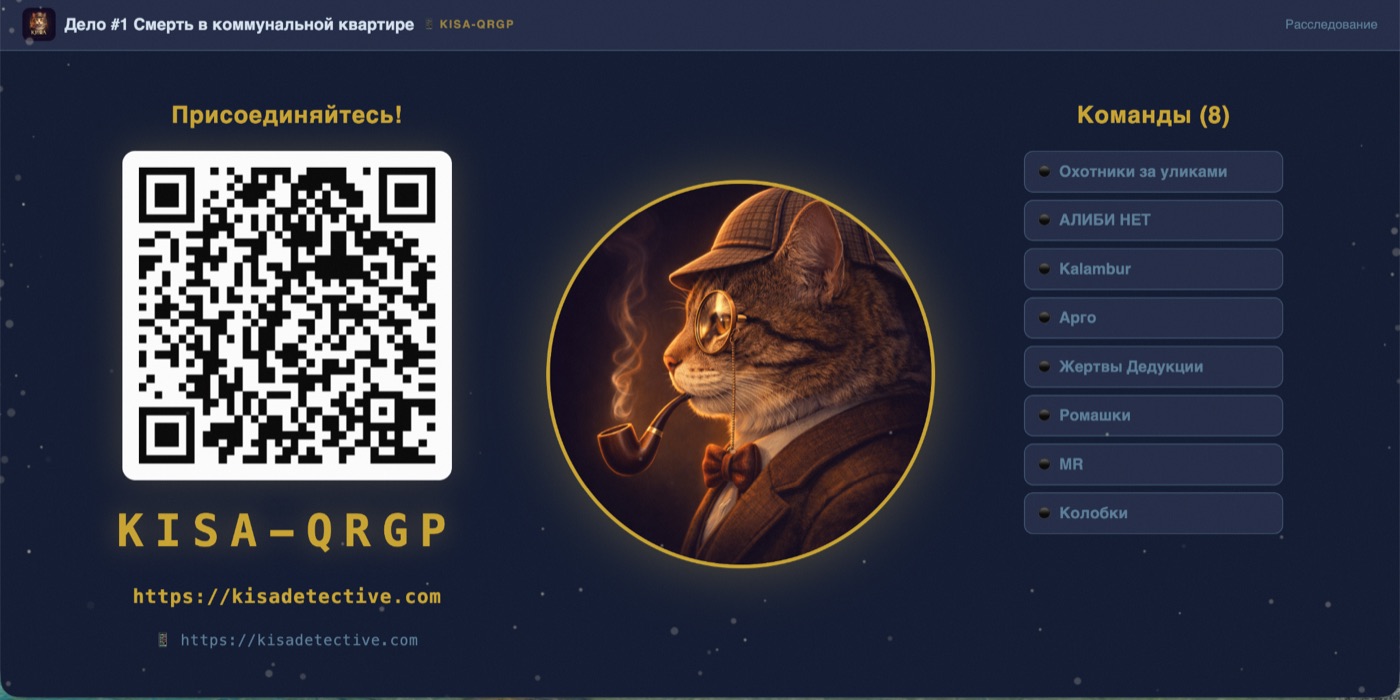
Guests split into teams and open the game from a link. Nothing to download, nothing to print.
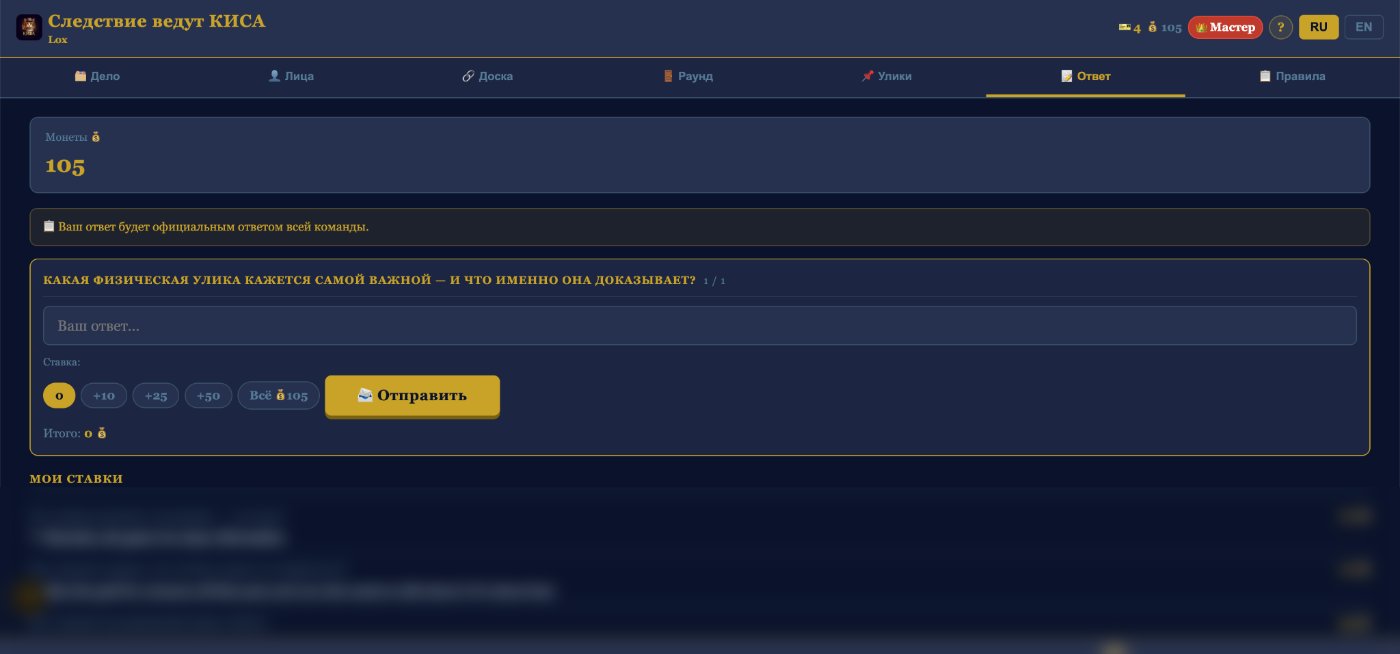
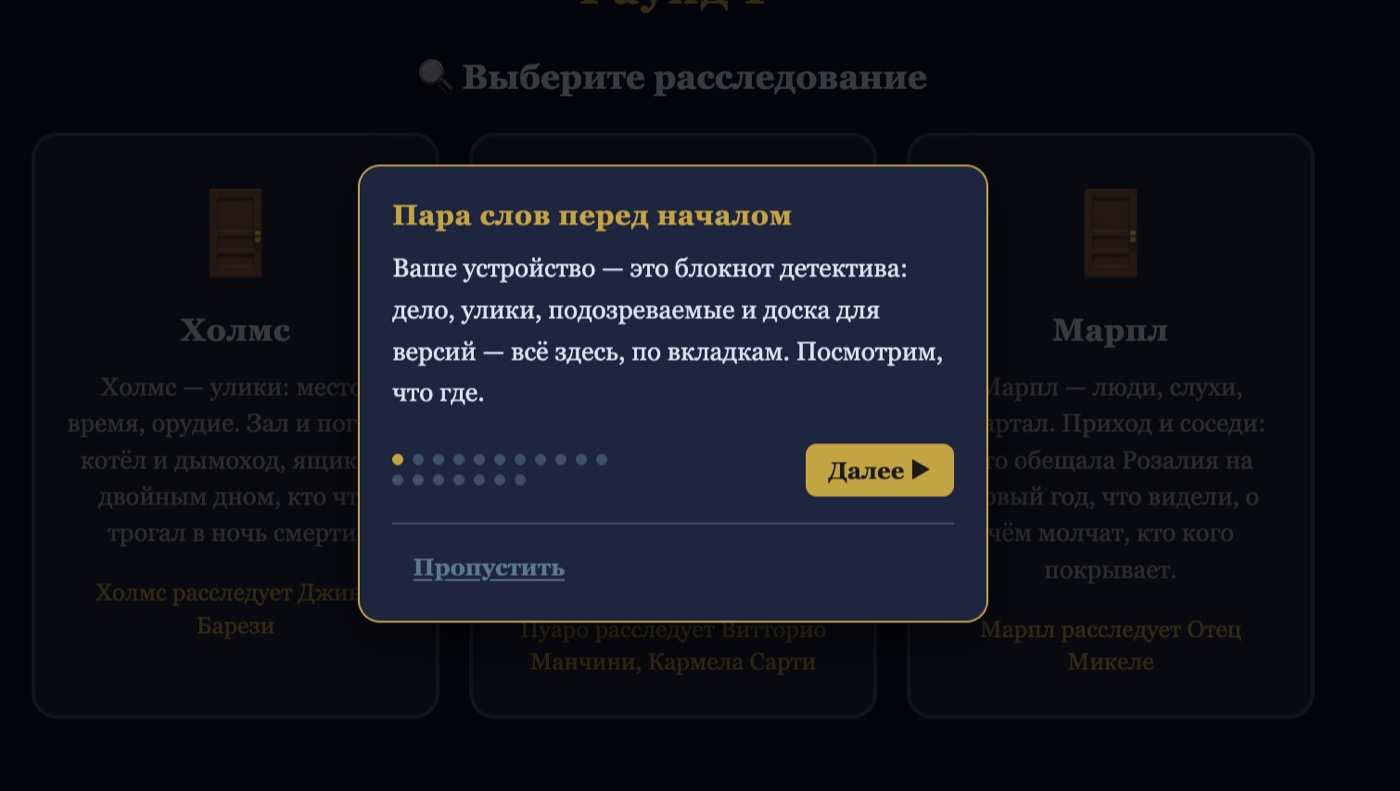
Evidence, documents, witness statements. After every round comes a question that moves the investigation on.
Teams argue, throw out the false trails and bet on a suspect and a motive.
The final solution, the walk-through of the case — and the score: who came closest to the truth.
≈2 hours · no experience needed · the rules are explained as you play
From 2 people. Sit down at the table and play — no host needed.
Up to 300 guests and more, split into teams. Everyone plays at once — nobody sits it out.
A ready-made script for the night: a case, a twist and a reveal instead of wondering how to keep everyone busy.
Hard cases for people who like to untangle things properly.
First time? Start with an easy case — every case shows its difficulty. The rules are explained as you play, and there is nothing to prepare in advance.
Investigate the case with your own group
Run an investigation for your friends, company, club or community
A tablet or laptop is easier for working with evidence and documents. Phones work too, but details are much easier to examine on a bigger screen. Nothing needs to be printed.
Nothing to install: the game opens in a browser on a phone, tablet or laptop. All you need is the internet.


KISA has been running live intellectual team games since 2011: halls, tables, a host, the score on a screen. This game grew out of those evenings — the same teams, the same crowd, except the evidence is now in the players' own hands.


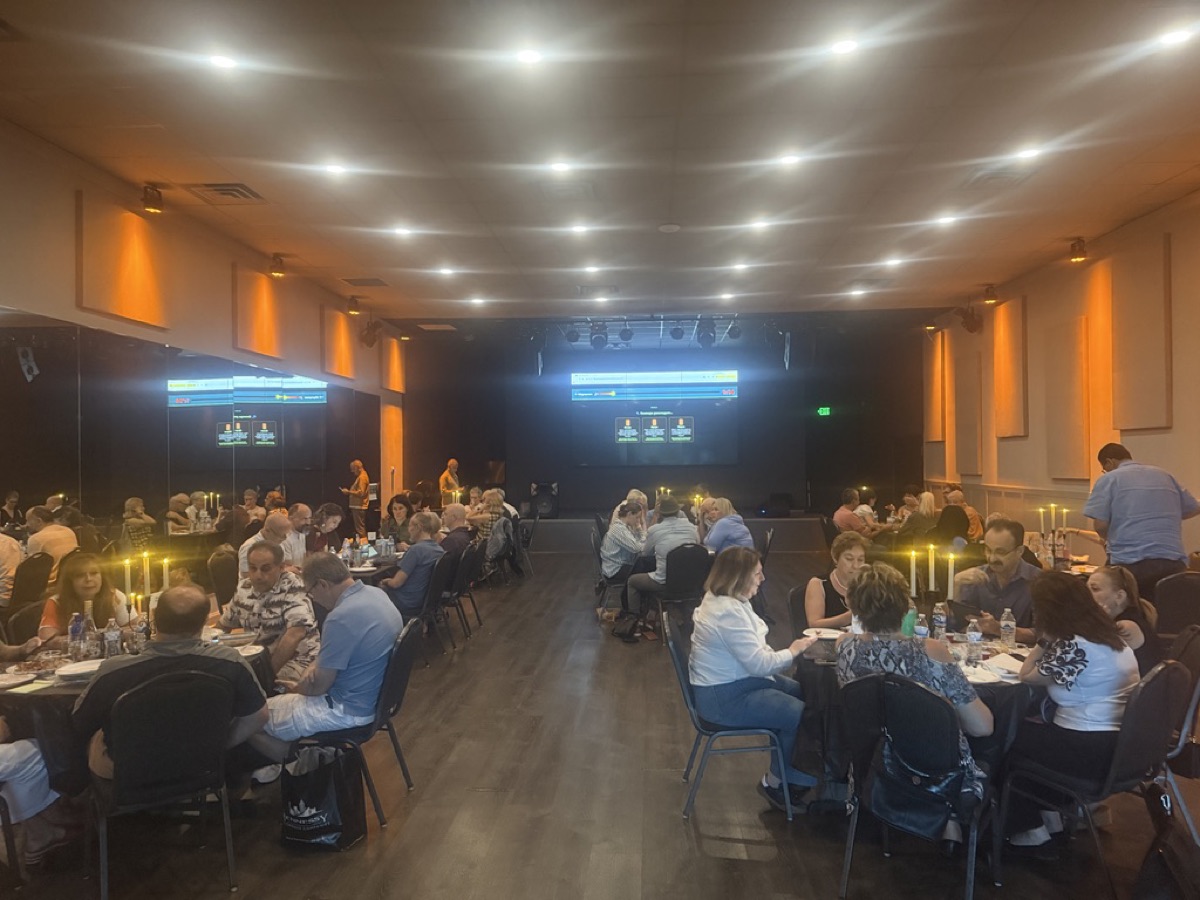
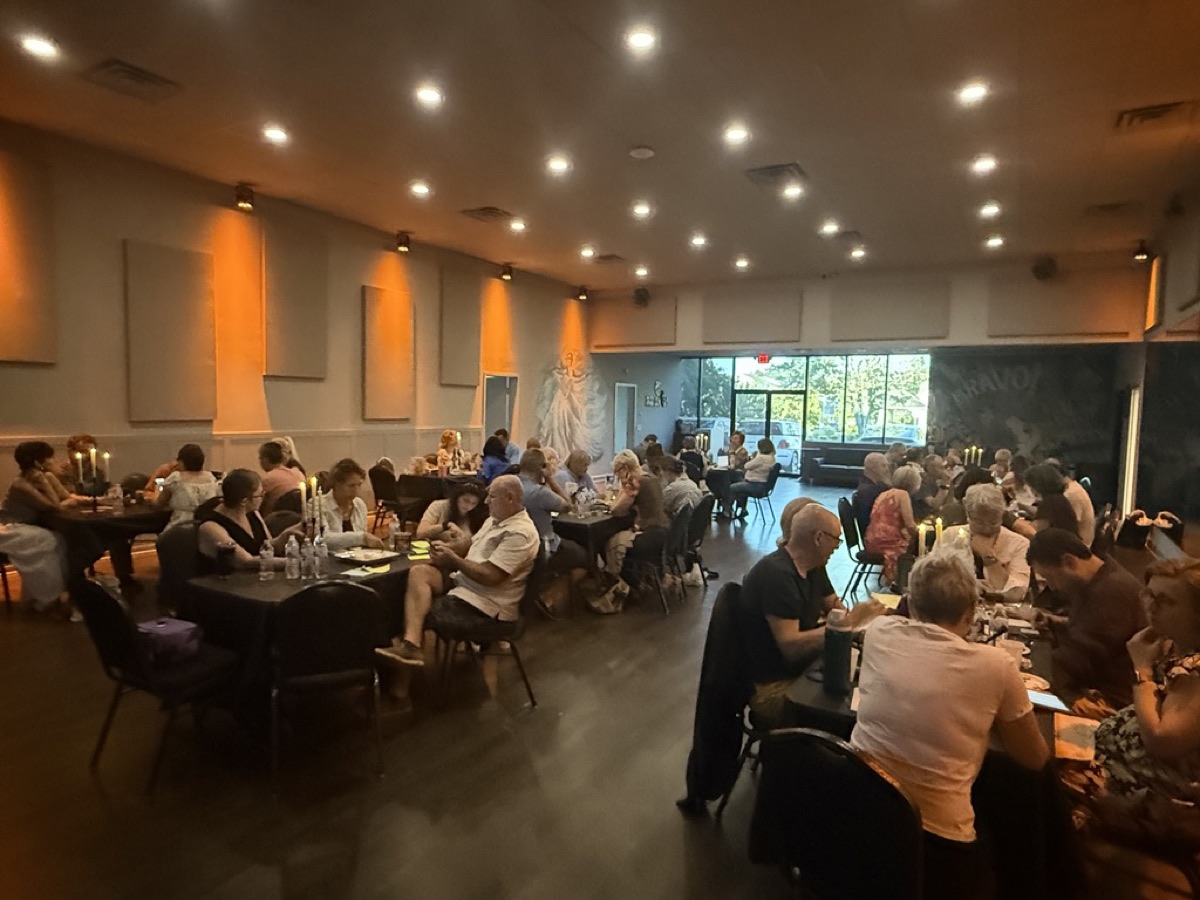
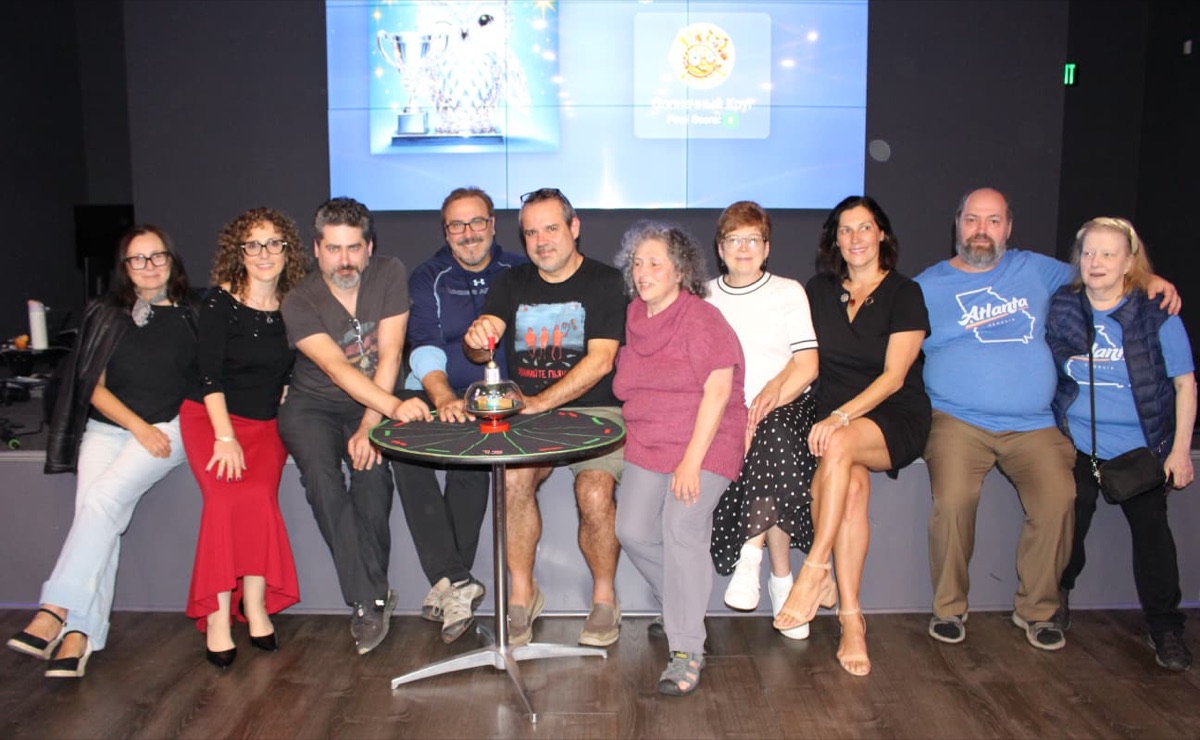

Our evenings: full halls, teams around tables — and the buzzer and scoreboard it all started with.
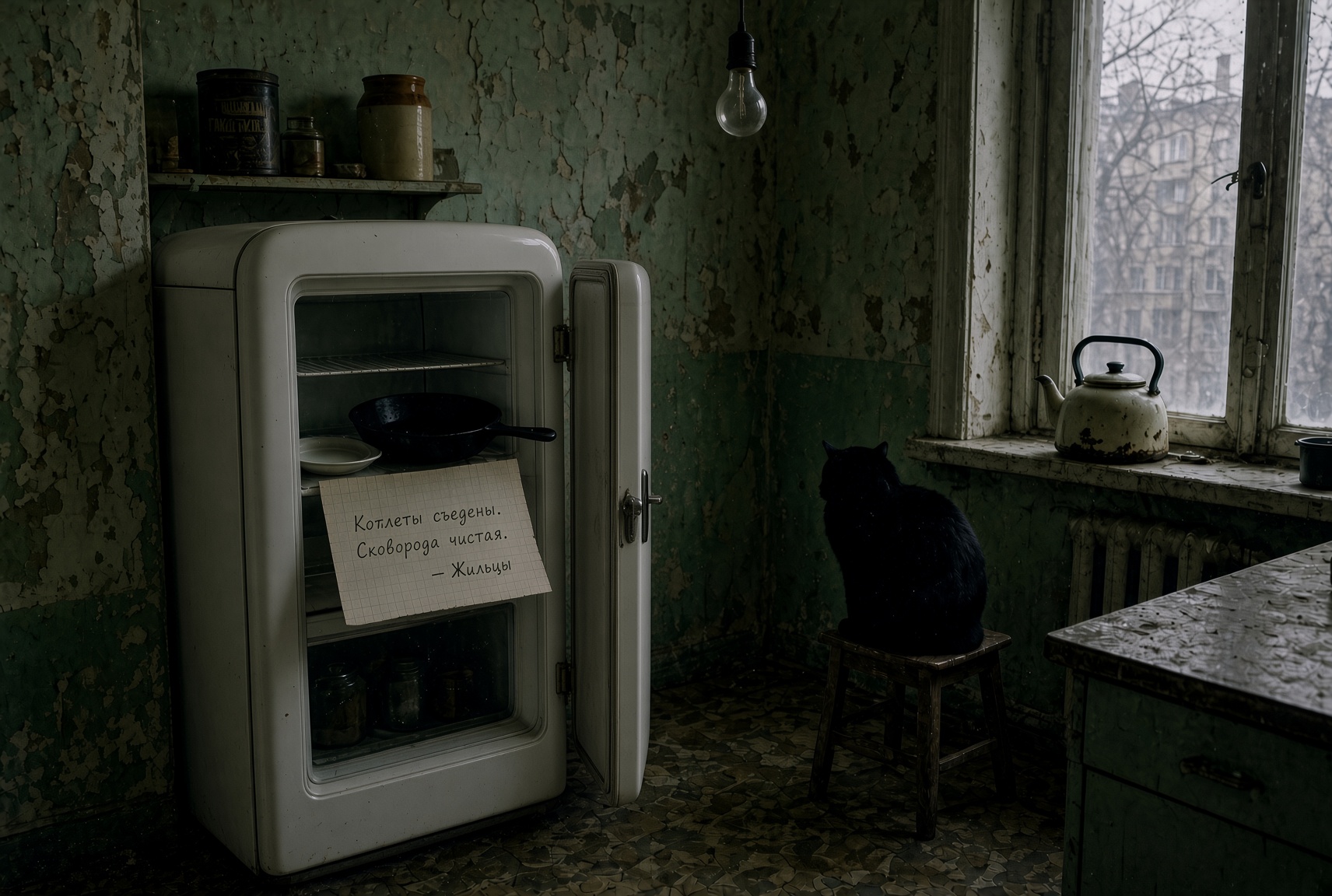
Moscow, March 1974, Pyatnitskaya, 17, communal apartment №5: five rooms, one kitchen, one ZIL, in which there is nothing to hide. On March eleventh, Lidia Markovna Stupina fried six cutlets, covered them with a plate and a note "HANDS OFF. THIS IS FOR WEDNESDAY" and put them on the second shelf; at 21:40 the cutlets were still in place. By 07:15 on the twelfth, the pan was standing there—empty and washed. In the apartment there are five residents and a cat Hamlet, who over the course of a week got fatter and stopped asking for food: a hungry taxi driver after a night shift, an angry janitor on

Moscow, 1973. In a communal apartment on the Sadovoe Ring, accountant Boris Krylov is found dead—a man whose decision could have destroyed others' careers, freedom, and lives. Four people came to see him that evening, each had a motive—and each is now hiding something.
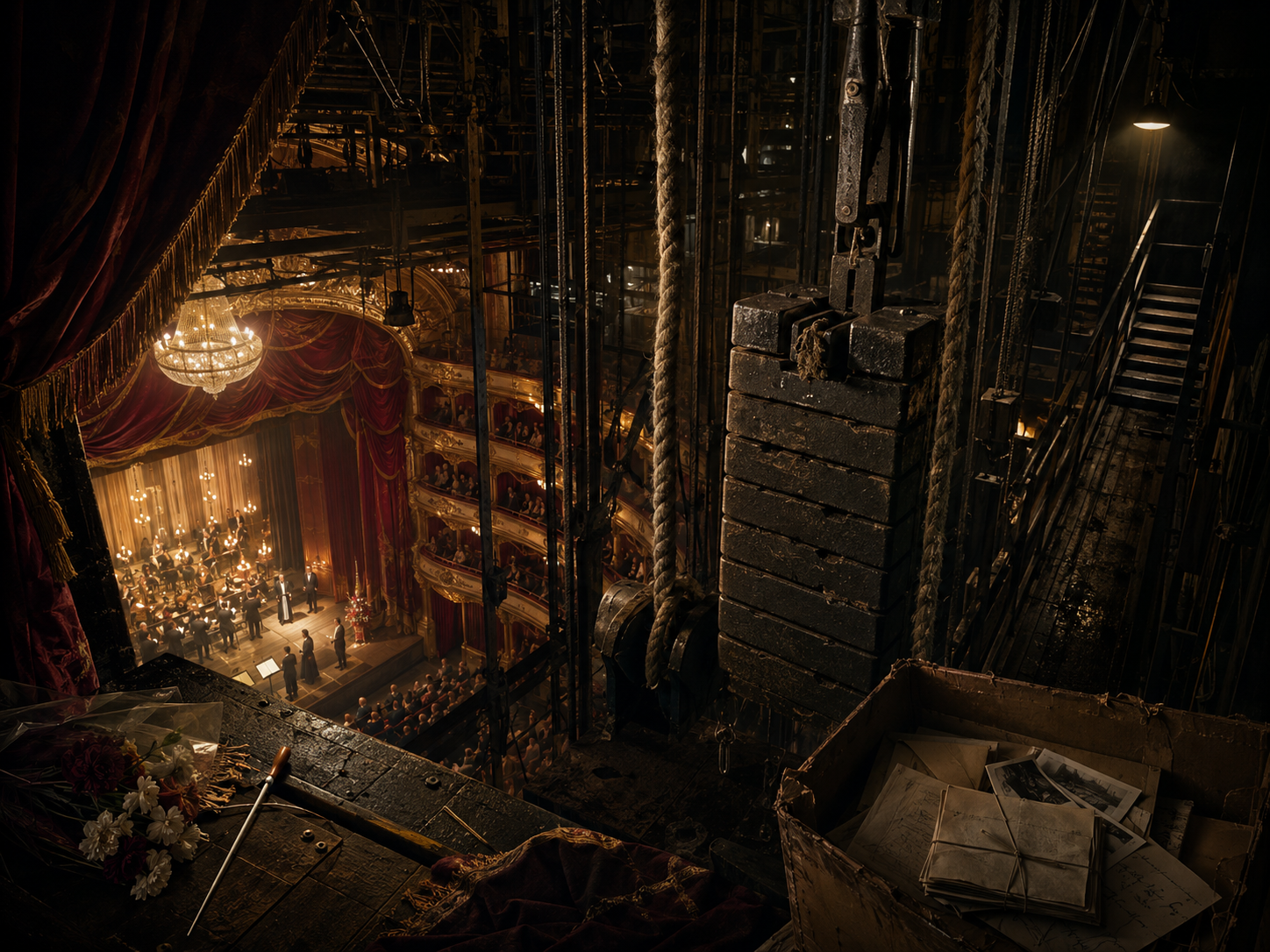
Leningrad, late 1970s. After an anniversary performance, famous conductor Viktor Lanskoy dies under a fallen theatrical counterweight — but it soon becomes clear that the fastening was deliberately loosened. Behind the scenes, there are too many people who knew the machinery, saw something, and had reasons to fear the past.
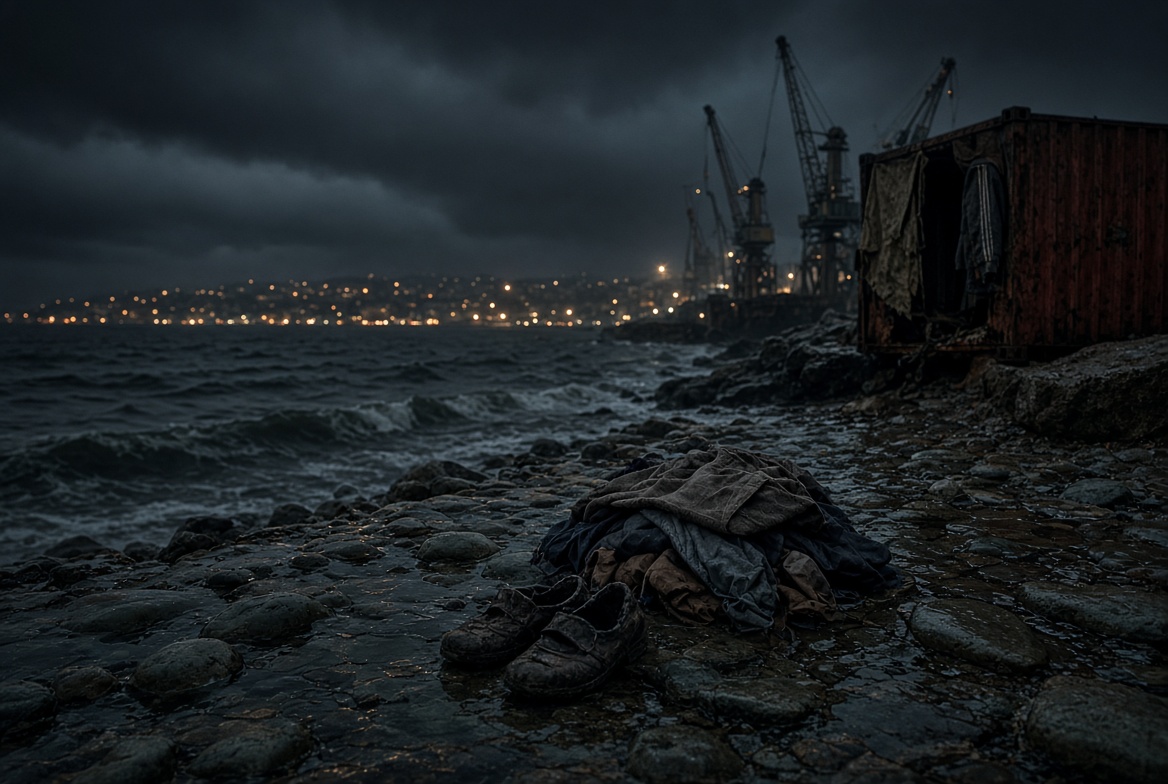
Odessa, August 2005. On the eve of a storm the antiques dealer Leonid Gurfinkel folds his clothes on the rocks at Lanzheron and walks into the water — and is never seen again. For three days the city buries him in words. On the fourth, a container bound for Istanbul is opened at the port, and he is inside: dry, in a tracksuit, three hundred metres from the sea. A man cannot drown twice — so we were lied to at least once.
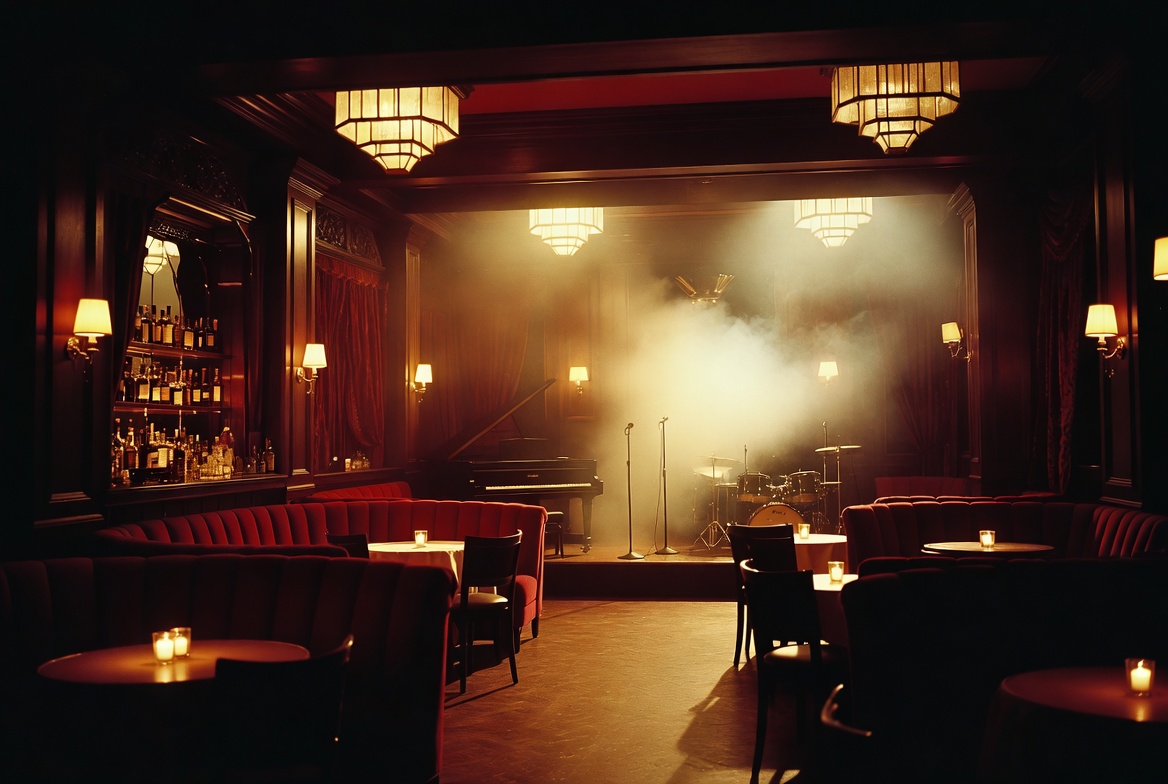
Boston, 1922. In the underground club "Blue Saxophone," amid music, smoke, and secret dealings, the establishment's owner—Frank Kowallis—is found dead. Everything points to a weak heart, but an empty safe, strange traces, and an envelope by the door cast doubt on the obvious.
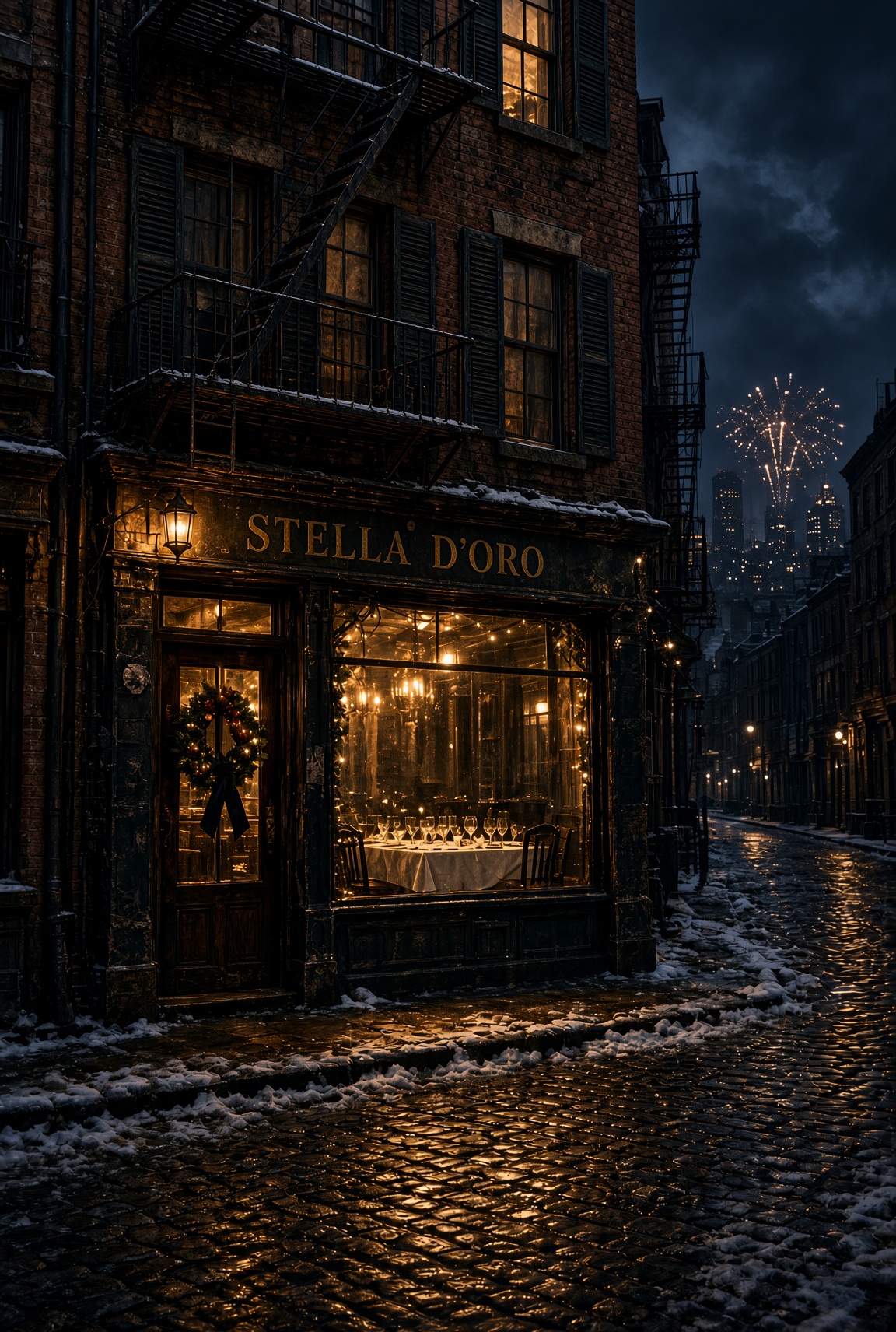
December 31st, 1999. Mulberry Street. While the city wonders whether computers will go mad at midnight, in the trattoria "Stella d'Oro" a table is set for a millennium dinner — and the proprietress will not come down to her guests again. The doctor writes one word: heart. The neighborhood closes its shutters and goes to meet the new century. Three doors — house, money, people. One crime. Mulberry Street's tongue will loosen only for those who know where to listen.
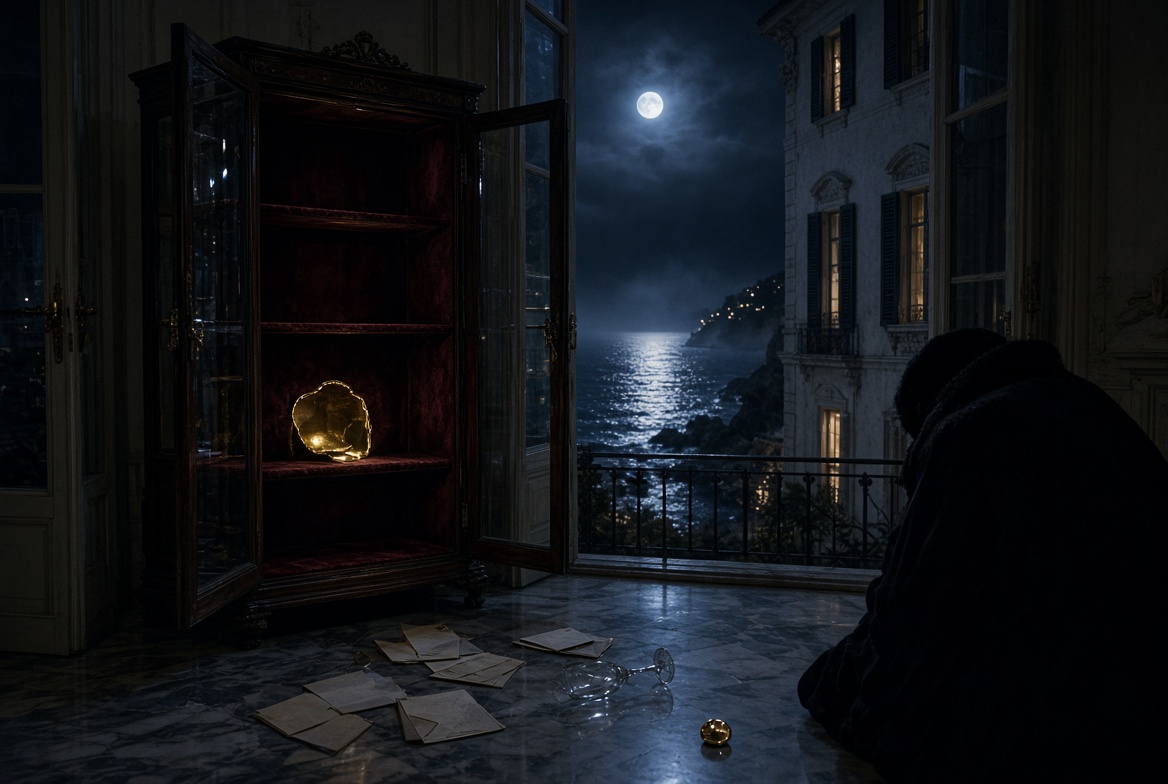
San Remo, October 1988. At a villa by the sea the émigré Platon Lanskoy gives his autumn gala — and at half past ten he is found dead beside an open display case, the gold Fabergé cigarette case gone from it. Everything looks like a robbery an old heart could not survive. But too many people in this house would like the past to stay past — and the host kept something on every one of them.
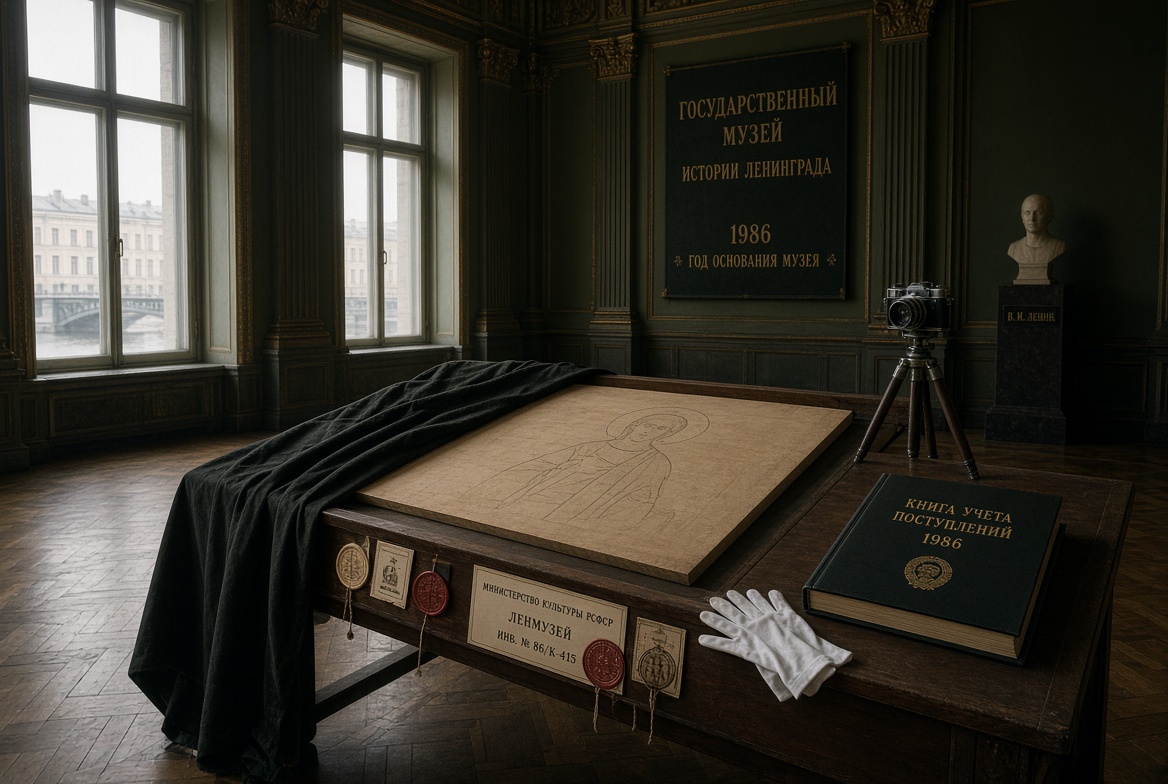
Leningrad, May 1986. The museum is preparing its anniversary, and its greatest icon — the one thought lost, which came home in '46 — is sealed away before the photo shoot. On Monday the wrapping comes off: a practice board lies beneath the cloth. The locks are intact, the seals intact, the access log immaculate. In this case nobody had to lie — it was enough to look for forty years and not see.
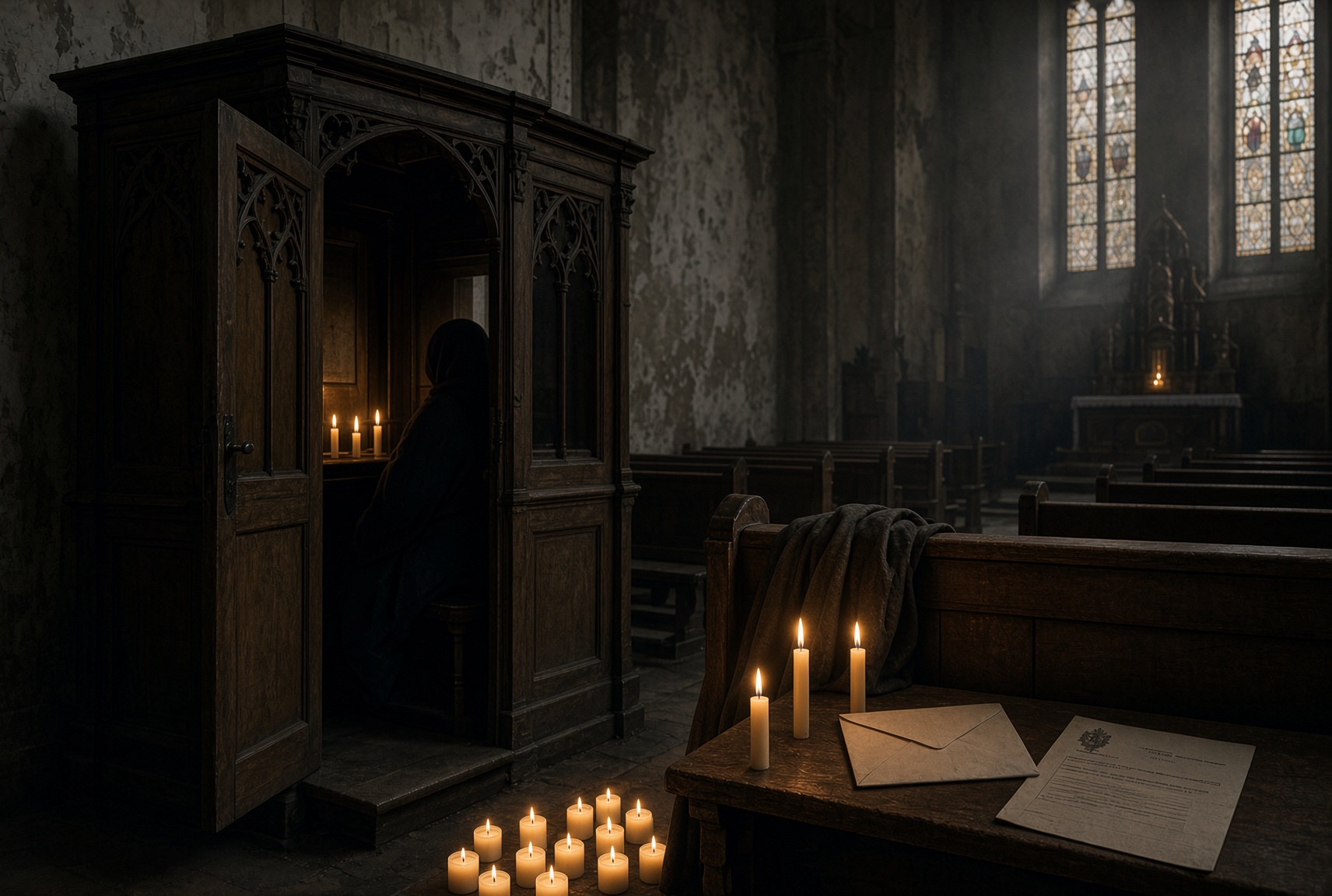
Vienna, November 1988. Kristallnacht's fiftieth anniversary is three days away, and the city is full of émigrés waiting on visas. The churchwarden Gottfried Landner, the quarter's 'saintly man', is found in the confessional at dawn — dead in the confessor's seat, as if still hearing someone out. The question is not who raised a hand against a righteous man. It is what he meant to do on the ninth of November — and for whom that was more frightening than death.
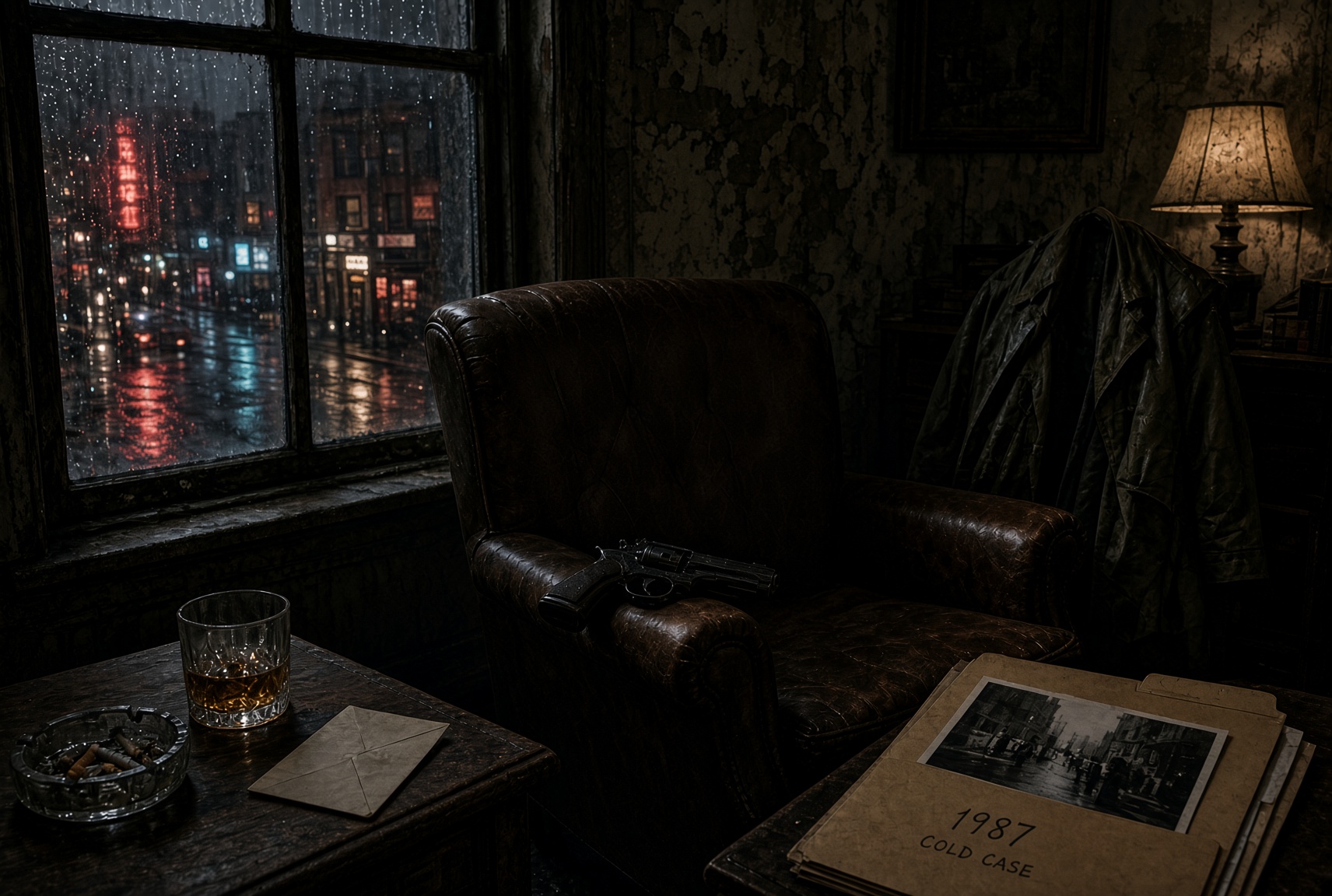
New York, the end of the nineties, three days of rain. Frank 'The Wall' Moretti closed more cold cases than anyone in the precinct — and spent his last two weeks pulling one 1987 file out of the basement archive. He is found at home in his armchair, service weapon in hand, a neat note on the table. The note is too steady for a drunk hand, the shot came from the wrong side, and he had told his daughter: 'If I bring the truth out, it'll destroy our family.'
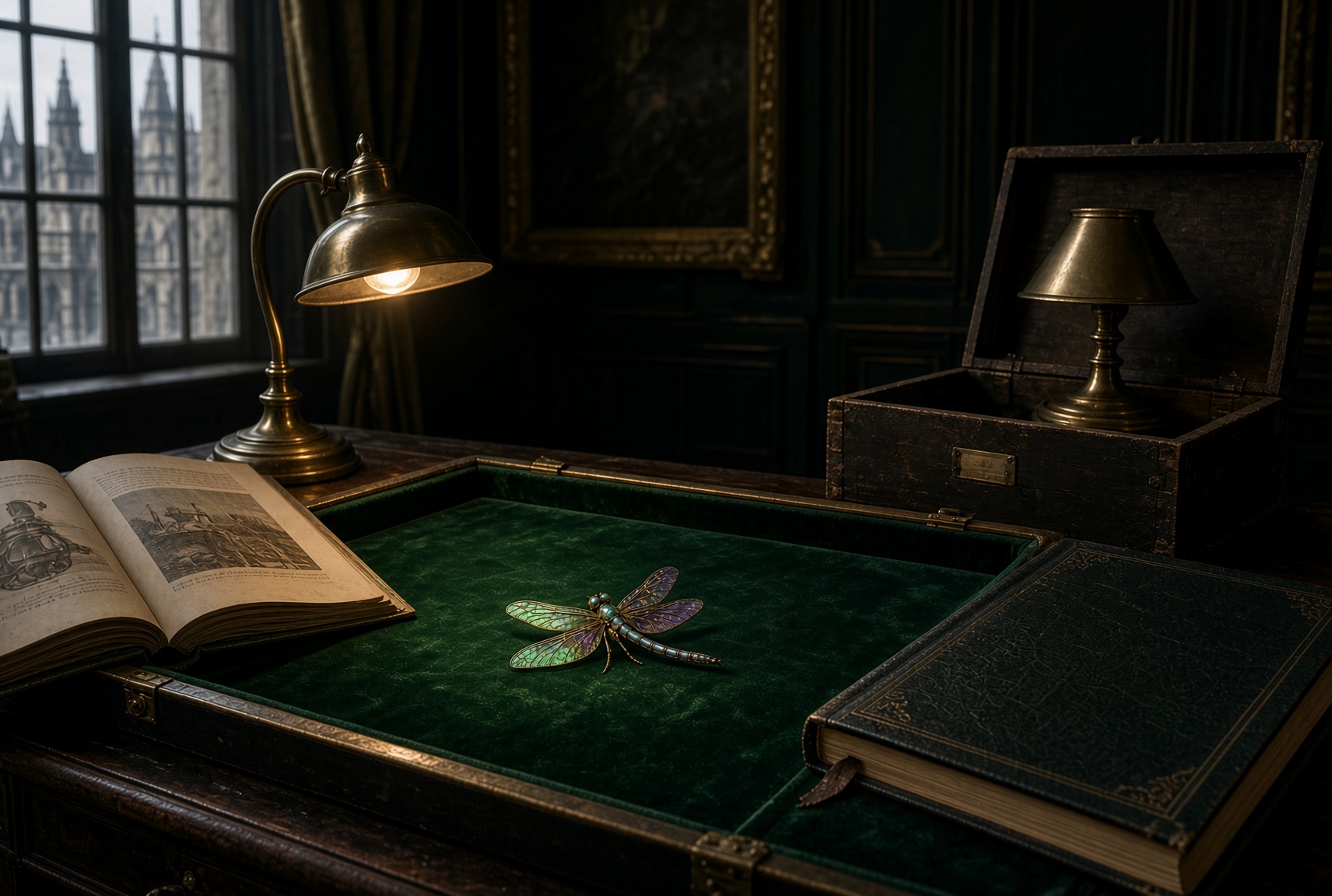
London, May 1965. The pride of the May catalogue is a dragonfly aigrette — Viennese work, plique-à-jour enamel, opals, and a sapphire that makes visitors fall silent. Four days before the sale the insurance inspector asks for a second lamp: on the velvet lies a superb copy. The locks are intact, the logbooks immaculate — and the dragonfly itself has neither hallmark nor history, its biography beginning only in 1946.

A city of the future where a corporation has learned to copy a mind whole. Dr Silas Vayn, whose name is on the first patent, is found dead in his own resonator chair — at the very moment he was taking a cast of himself. No break-in, no weapon, no stranger on the deck; but at 23:00 the gateway logged a borrowed session and a strike tunnelled through it. The weapon here is neither knife nor poison, but someone else's past.
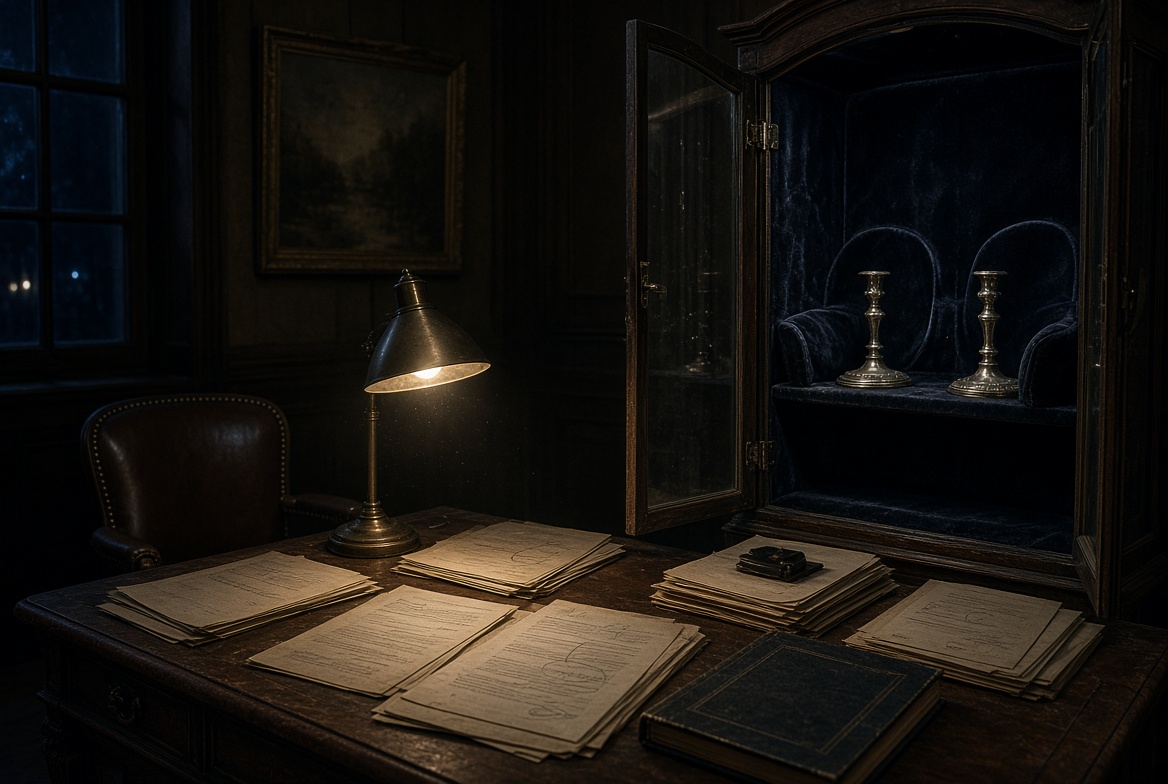
Poland, 2005. A week before the biggest exhibition in the private museum's history, its director Jan Rogowski is found dead in his office, and two ceremonial candleholders worth almost two million euros are gone from their case. In his last weeks he had been cancelling meetings, locking himself away with copies of old documents and asking strange questions about 1944. Ahead of you: restoration logs, insurance letters, old family names and very old debts.
More than 20 teams, or 300+ guests? Say so in the comment — we will build the game around your format.
Fill in at least one of the three fields above so we can reply.